Looking for the English translation of PA’ LO BONITO by Lenny Tavárez?
In this article, you’ll find a line-by-line English translation of the lyrics, along with explanations of Puerto Rican slang, useful Spanish vocabulary, grammar notes, and the cultural expressions that make this romantic urban pop song so memorable. Whether you’re learning Spanish or simply curious about the meaning behind the lyrics, this guide will help you understand PA’ LO BONITO beyond a literal translation.
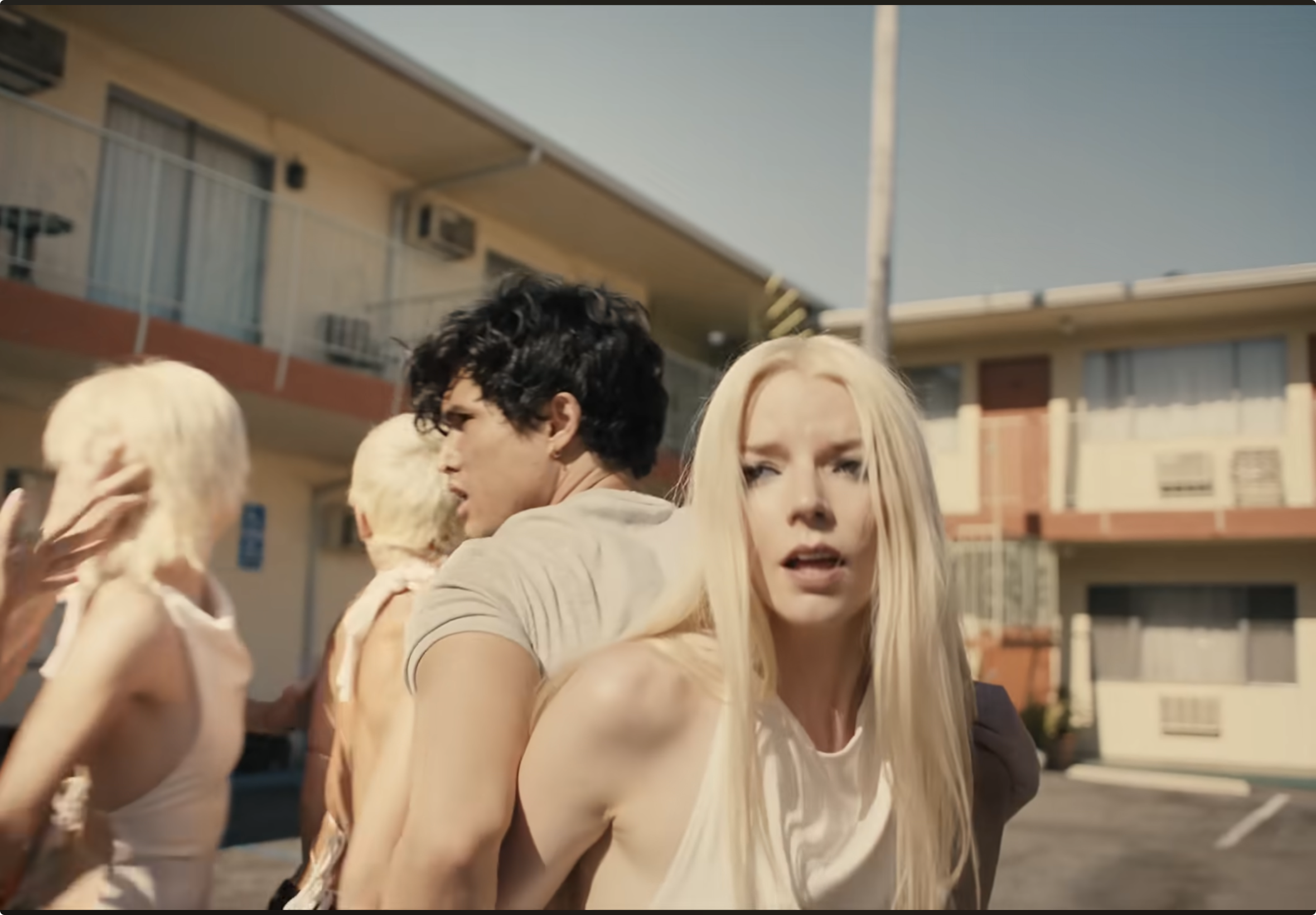
Watch the official music video here: https://youtu.be/5UbAXfM_IZ0
Song Information
| Category | Details |
| Song | PA’ LO BONITO |
| Artist | Lenny Tavárez |
| Album | Brillar |
| Released | 2024 |
| Genre | Latin Urban, Reggaetón, Latin Pop |
| Spanish Level | B1-B2 |
| Key Grammar Topics | Present tense, Present perfect nuance, Object pronouns, Subjunctive omission in expressions, Possession, Idiomatic expressions |
| Main Vocabulary Themes | Love, relationships, emotions, affection, destiny, dancing, Caribbean slang |
PA’ LO BONITO Lyrics with English Translation
Todavía te tengo en mis brazos
I still have you in my arms.
Pero ya te extraño
But I already miss you.
No pierdo el tiempo
I don’t waste time.
Pero si es contigo que pasen los años
But if it’s with you, I want the years to pass.
Si no eras el amor de mi vida
If you weren’t the love of my life…
Yo me equivoqué de vida
…then I chose the wrong life.
Note: Instead of saying “I chose the wrong person,” he says “I chose the wrong life.” It’s a much stronger, more poetic way of saying he cannot imagine a life where this person isn’t his soulmate.
No de amor, ni tú misma sabes
Not about love. Even you don’t realize…
Que tú eres mía, mía, mía, mi amor
…that you’re mine, mine, mine, my love.
Como tu alma lo sabe
Just as your soul already knows.
Note: Tu alma lo sabe (“your soul knows it”) is a romantic way of suggesting that, deep down, she already feels the same, even if she hasn’t admitted it.
Que tú me tienes el corazón
You have my heart…
A palo, palo, palo bonito
…beating beautifully with excitement.
What does “a palo bonito” mean?
This is a Caribbean expression rather than standard Spanish. Here, a palo conveys intensity, force, or being completely immersed in something. Combined with bonito, it suggests his heart is pounding intensely, but in the best possible way because of love. It’s not meant to be translated literally.
Cuando me bailas se me va
When you dance for me, all my…
Lo malo, malo, malo solito
…bad feelings simply disappear on their own.
Tú me cambiaste la dirección
You changed the direction of my life.
Como un regalo esta conexión
This connection feels like a gift.
Si me llevaste de la mano
Since you took me by the hand.
Pa’ lo bonito
…toward all the beautiful things.
Note: The title “Pa’ lo bonito” is a shortened form of “Para lo bonito,” meaning “towards the beautiful things” or “toward the good parts of life.” Throughout the song, it symbolizes love leading someone toward happiness and emotional fulfillment.
Voy living la vida loca
I’m living life to the fullest.
Note: This mixes English and Spanish intentionally. The phrase also references Ricky Martin’s iconic song “Livin’ la Vida Loca.” Code-switching like this is common in modern Latin urban music.
Tú me tienes deseándote así la boca
You have my lips constantly longing for you.
Note: Literally, la boca means “the mouth,” but here it poetically refers to the desire to kiss someone.
Tú me tienes diciéndote que te quiero
You have me telling you that I love you.
Que te quiero en esta vida
That I love you in this life…
Y te quiero en la otra
…and I’ll love you in the next one too.
Voy living la vida loca
I’m living life to the fullest.
Tú me tienes deseándote así la boca
You have my lips constantly longing for you.
Tú me tienes diciéndote que te quiero
You have me telling you that I love you.
Que te quiero en esta vida
That I love you in this life…
Y te quiero en la otra
…and I’ll love you in the next one too.
Si no eres el amor de mi vida
If you’re not the love of my life…
Yo me equivoqué de vida
…then I’ve lived the wrong life.
No de amor, ni tú misma sabes
Not about love. Even you don’t realize…
Que tú eres mía, mía, mía, mi amor
…that you’re mine, mine, mine, my love.
Como tu alma lo sabe
Just as your soul already knows.
Que tú me tienes el corazón
You have my heart…
A palo, palo, palo bonito
…beating beautifully with excitement.
Cuando me bailas se me va
When you dance for me…
Lo malo, malo, malo solito
…all my bad feelings disappear on their own.
Tú me cambiaste la dirección
You changed the direction of my life.
Como un regalo esta conexión
This connection is a gift.
Si me llevaste de la mano
Since you took me by the hand…
Pa’ lo bonito
…toward all the beautiful things.
Spanish Vocabulary from PA’ LO BONITO
Here’s a breakdown of some of the most useful words and expressions from the song.
| Spanish | English | Notes |
| todavía | still | Indicates something continues to be true. |
| extrañar | to miss | One of the most common ways to say “to miss someone” in Latin America. |
| los brazos | arms | En mis brazos means “in my arms.” |
| pasar los años | for the years to pass | A common expression about the passage of time. |
| equivocarse | to be mistaken | A reflexive verb. Me equivoqué means “I was wrong.” |
| el amor de mi vida | the love of my life | A very common romantic expression. |
| el alma | soul | Frequently appears in love songs and poetry. |
| el corazón | heart | One of the most common words in Spanish music. |
| bailar | to dance | Cuando me bailas literally means “when you dance for me.” |
| cambiar la dirección | to change someone’s direction | Used metaphorically for changing the course of someone’s life. |
| la conexión | connection | Often refers to an emotional or romantic bond. |
| llevar de la mano | to lead by the hand | Literally and figuratively guiding someone. |
| desear | to desire | Expresses longing, attraction, or wanting something deeply. |
| querer | to love / to want | One of the most versatile Spanish verbs. Context determines whether it means “love” or “want.” |
| la otra vida | the next life | Refers to the afterlife or another lifetime. |
| portarse bien | to behave well | A very common everyday expression. |
| gordito | chubby | Often used affectionately rather than as an insult. |
| flaco | skinny | Can simply describe someone’s build. |
| regalo | gift | Often used metaphorically for people or relationships. |
Puerto Rican Slang & Cultural Notes
This song contains several expressions that aren’t typically taught in Spanish textbooks but are very common in Caribbean Spanish and Latin urban music.
Pa’
Pa’ is a contraction of para.
Examples:
- Pa’ lo bonito → Toward the beautiful things
- Pa’ ti → For you
You’ll hear pa’ constantly in reggaetón, salsa, bachata, and everyday conversation throughout Latin America.
A palo bonito
This isn’t a standard dictionary expression, which is why translating it literally doesn’t work.
In Caribbean Spanish, a palo often communicates intensity, momentum, or doing something with full force.
Here it expresses the feeling of a heart beating intensely because of love, excitement, and happiness.
Rather than translating it word for word, the idea is:
- completely overwhelmed by love
- beating with excitement
- full of joyful intensity
Living la vida loca
This intentionally mixes English and Spanish.
It’s also a direct nod to Ricky Martin’s global hit Livin’ la Vida Loca, making it both a cultural reference and an example of code-switching.
Mixing English into Spanish lyrics is especially common among Puerto Rican artists.
’Toy
’Toy is simply a shortened pronunciation of estoy.
Instead of saying:
Estoy feliz.
Many Caribbean speakers naturally say:
’Toy feliz.
This kind of pronunciation is extremely common in spoken Puerto Rican Spanish.
Chencho
The lyric references Chencho Corleone, one of Puerto Rico’s most influential reggaetón artists.
He’s known for smooth romantic lyrics delivered with effortless confidence.
Saying:
’Toy como Chencho
means something like:
“I’m feeling as confident and smooth as Chencho.”
Me porto bonito
Literally:
“I behave well.”
The phrase became internationally famous thanks to Bad Bunny’s hit Me Porto Bonito.
Here it suggests:
- I’ll treat you well.
- I’ll be good to you.
- I’ll act right.
Machucao
Derived from machucado (“crushed” or “bruised”), this Caribbean slang describes someone whose heart has been emotionally overwhelmed.
It doesn’t imply sadness here.
Instead, it means love has completely taken over.
Enchulao
One of the most useful Puerto Rican slang words.
It means someone is:
- smitten
- infatuated
- completely in love
- head over heels
You’ll often hear:
Está enchulao.
meaning:
“He’s completely lovestruck.”
Cora
Cora is simply a shortened version of corazón.
Just like English speakers shorten:
- because → ’cause
- going to → gonna
Spanish speakers often shorten:
- corazón → cora
You’ll hear this frequently in modern Latin music.
Grammar Notes
1.
Present Tense for Current Feelings
Throughout the song, the present tense expresses ongoing emotions.
Te tengo en mis brazos.
I have you in my arms.
Te extraño.
I miss you.
Me tienes el corazón…
You have my heart…
The present tense makes these feelings feel immediate and continuous.
2.
Reflexive Verbs
The verb equivocarse means to be mistaken.
Me equivoqué de vida.
Literally:
“I was mistaken about my life.”
Reflexive verbs are extremely common in everyday Spanish.
Other examples include:
- enamorarse
- acordarse
- sentirse
- llamarse
3.
Object Pronouns
Notice how often indirect and direct object pronouns appear.
Te extraño.
I miss you.
Me tienes…
You have me…
Me llevaste…
You took me…
Spanish uses object pronouns much more frequently than English.
4.
Que Clauses
The word que appears repeatedly.
Que tú eres mi amor.
Que te quiero.
These clauses connect thoughts naturally and are among the most common sentence structures in Spanish conversation.
5.
Diminutives
Spanish often adds warmth using diminutive endings.
Examples from the song:
- gorditos
- solito
The ending -ito/-ita doesn’t always indicate size.
It can also express affection, softness, or emphasis.
For example:
Se me va solito doesn’t literally mean “it leaves by itself, but tiny.” Here, solito emphasizes that the bad feelings disappear all on their own.
Learn Spanish Through This Song
PA’ LO BONITO is an excellent song for intermediate learners because it blends everyday Spanish with authentic Caribbean slang.
By studying it, you’ll become familiar with:
- Talking about love and relationships
- Expressing strong emotions naturally
- Common object pronouns
- Reflexive verbs
- Romantic metaphors
- Puerto Rican pronunciation
- Caribbean slang used in modern Latin music
- English-Spanish code-switching, a hallmark of many contemporary urban songs
It’s also a great reminder that songs often use poetic language. Rather than translating every word literally, focus on the emotion and the message behind each expression.
Final Thoughts
PA’ LO BONITO is a celebration of finding someone who changes your perspective on life. While the song includes playful reggaetón swagger and Puerto Rican slang, its central message is surprisingly tender – real love has the power to make life’s burdens feel lighter and lead us pa’ lo bonito, toward everything beautiful.
If you’re learning Spanish, songs like this are one of the best ways to build vocabulary while also discovering the rhythms, expressions, and cultural nuances that don’t always appear in textbooks.
If you’d like to learn Spanish through songs, movies, stories, and real conversations, keep exploring the translations here on Spanish Song Translated. Every song is another step toward understanding not just the language, but the culture behind it.
Happy learning! 🎶





Leave a Reply