The apology anthem that just dropped!
When a new collaboration between Luis Fonsi and Feid appears, you already know it is going to blend emotion and rhythm.
Cambiaré is not loud. It is not aggressive. It is not defensive.
It is desperate.
This is the kind of song you send at 2 AM.
The kind of song you dedicate when you finally understand what you lost.
Fonsi delivers vulnerability with clarity. Feid adds texture and modern phrasing. Together, the theme is simple and powerful:
I will change.
For learners, this song is excellent because:
- Clear repetition of future tense
- Useful apology vocabulary
- Emotional promise structures
- Informal contractions
- Conditional and subjunctive hints
Level: B1
- The apology anthem that just dropped!
- Listen First
- Cambiaré – Luis Fonsi and Feid Spanish to English Translation
- Vocabulary and Grammar Breakdown
- Quick Quiz
- Final Thoughts
Listen First
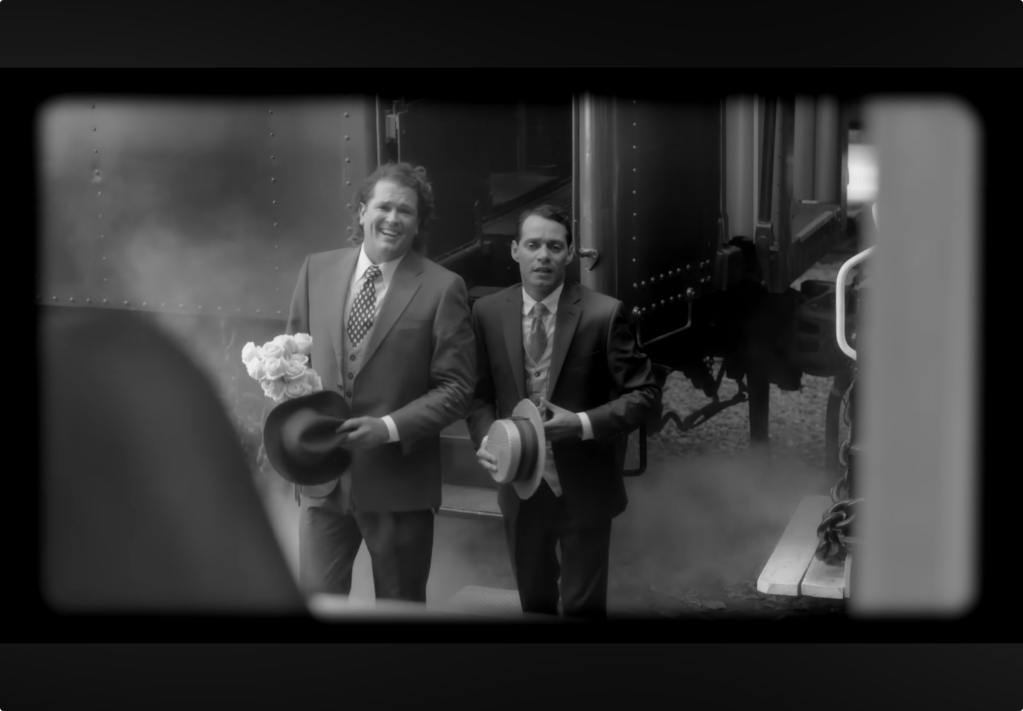
Luis Fonsi, Feid – Cambiaré
Listen once for emotion.
Listen again for the grammar.
Cambiaré – Luis Fonsi and Feid Spanish to English Translation
Amigo, si la ves, dile que tú me viste diferente
Friend, if you see her, tell her you saw me differently
Que estoy jugando a ser feliz, pero por dentro no se siente
That I am pretending to be happy, but inside it does not feel that way
Y si tú la ves, dile que, por favor, conteste
And if you see her, tell her please to answer
Que tengo tanto que explicar, que le he falla’o completamente
That I have so much to explain, that I failed her completely
Dile que cambiaré, yo cambiaré
Tell her that I will change, I will change
Por un amor así, yo cambiaré
For a love like that, I will change
Te juro que vivo por ella, y por ella me moriré
I swear that I live for her, and for her I would die
Si yo me tuve que alejar, solo me fui para volver
If I had to walk away, I only left to return
Yo cambiaré
I will change
Nunca olvides el día en que dije: “Mi amor, cambiaré”
Never forget the day I said, my love, I will change
Hay unas cosas que me sale tan mal, pero te juro que las arreglaré
There are some things that go so wrong for me, but I swear I will fix them
Por si un día tú piensas en mí, dime, por favor, que estoy a tu merced
In case one day you think of me, tell me please that I am at your mercy
Te bajo el firmamento si es que así vas a creer
I will bring down the sky for you if that is what it takes for you to believe
Por favor, perdóname, juro que no lo vuelvo a hacer
Please forgive me, I swear I will not do it again
Que mi vida no es na’ sin ti, yo te juro que cambiaré
That my life is nothing without you, I swear I will change
Y estoy listo pa’ darte to’ lo que tú quiera’, mi vida
And I am ready to give you everything you want, my love
Mi amor infinito y un mundo bonito, sin que esté herida
My infinite love and a beautiful world, without you being hurt
Tú reconoce’ un amor cuando es sincero
You recognize love when it is sincere
Dale, corazón, que yo te quiero, si no te tengo me muero
Come on, my heart, I love you, if I do not have you I die
Toda mi vida por ti cambié
My whole life I changed for you
Tú ere’ la única mujer, sorry, baby, perdóname
You are the only woman, sorry baby, forgive me
Yo cambiaré
I will change
Vocabulary and Grammar Breakdown
1. Cambiaré
Future tense.
Cambiar = to change
Cambiaré = I will change
Future tense ending for -ar verbs:
-é
-ás
-á
-emos
-án
The repetition reinforces commitment.
2. Le he falla’o
From fallar = to fail.
Le he fallado = I have failed her.
Present perfect:
He + past participle.
He fallado
I have failed.
3. Estoy jugando a ser feliz
Jugar a + infinitive.
Jugar a ser feliz
To pretend to be happy.
Not literal playing. Emotional acting.
4. Estoy a tu merced
Fixed expression.
A tu merced = at your mercy.
Common in dramatic or romantic Spanish.
5. No lo vuelvo a hacer
Volver a + infinitive.
No lo vuelvo a hacer
I will not do it again.
Very practical everyday structure.
Quick Quiz
- “Cambiaré” is
A. Imperfect
B. Conditional
C. Future
D. Subjunctive - “Le he fallado” is
A. Preterite
B. Present perfect
C. Imperfect
D. Future - “Jugar a ser feliz” means
A. To be happy
B. To pretend to be happy
C. To remember happiness
D. To lose happiness - “A tu merced” means
A. At your house
B. At your mercy
C. With your permission
D. In your city - “No lo vuelvo a hacer” means
A. I did not do it
B. I am doing it
C. I will not do it again
D. I forgot
Answers
1-C
2-B
3-B
4-B
5-C
Final Thoughts
Cambiaré is about something many people say but few sustain.
Change.
It captures that fragile moment when regret becomes promise.
For Spanish learners, it is rich in future tense and emotional vocabulary. For listeners, it feels personal.
If you want help turning songs like this into real conversational Spanish:
Because sometimes the most powerful time in Spanish love songs is the future tense.





 Spanish Songs, Translated
Leave a comment